
A story did the rounds online a little while back, and it really resonates with what we’re trying to do here at Kontrak Social.
A woman lends her car to a good friend and she asks for one thing: you’re the only person who drives it. Simple and fair? The kind of favour you do without thinking twice.
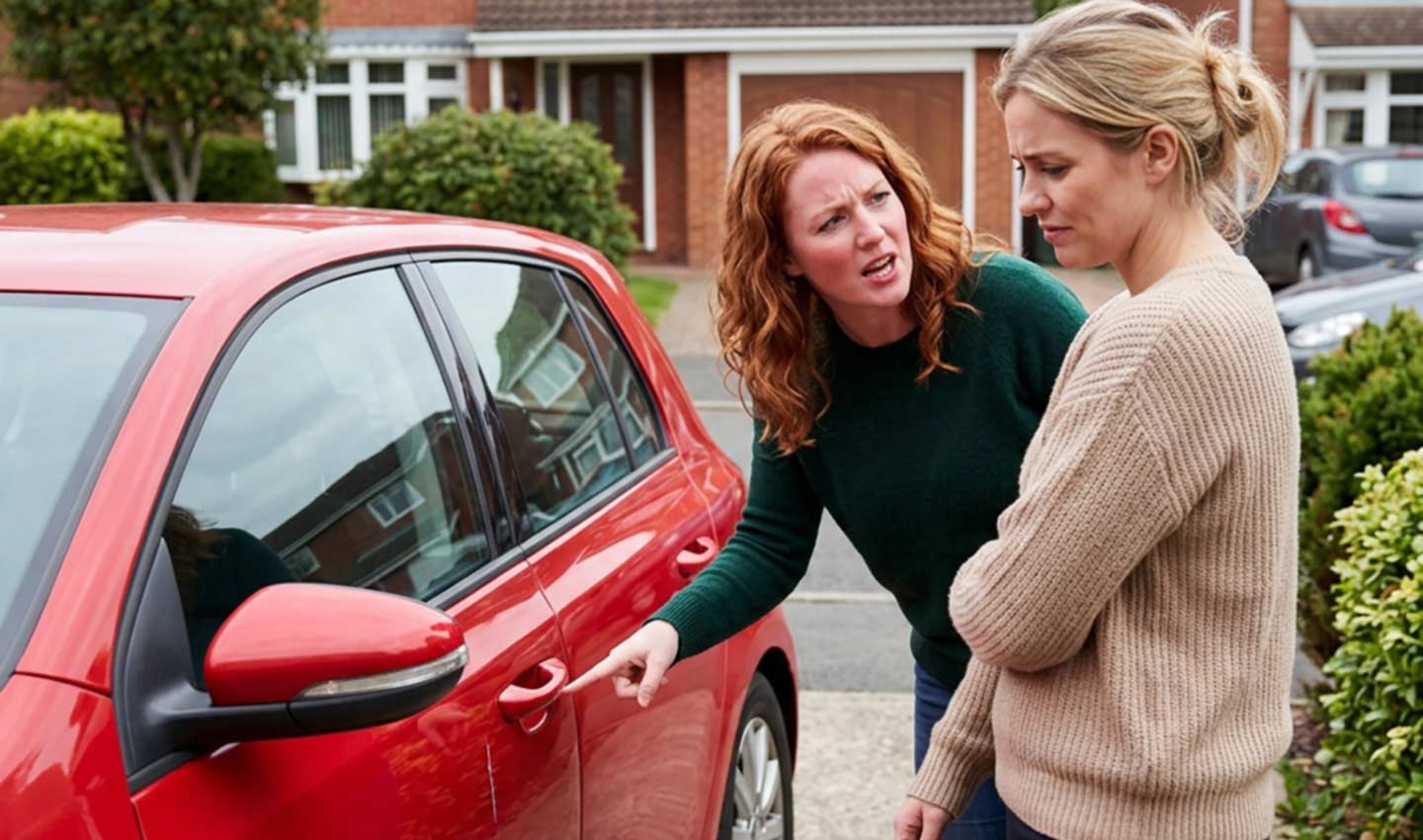
The car comes back with a fresh scrape down one side. The friend’s story wobbles… first it was tight parking, then a grocery store, then a restaurant, then maybe it was someone else. Eventually it comes out: she’d let her boyfriend “move it for a second.” So much for that one rule.
Here’s the part that sticks. When the owner asked her friend to cover the repair, the friend didn’t just say no. She went to their mutual friends and told them the owner was trying to make her go broke over a tiny scratch. A scuff on a door panel turned into a full social fallout. Sides were taken. A friendship that had lasted years didn’t survive a parking scrape.
And I’d bet you already know the truth of it: the scratch was never the problem.
The real damage is always the grey area
Cars get scratched. Phones get dropped. The lawnmower comes back with a bent blade, the cash comes back short, the “I’ll have it to you by Friday” quietly becomes next month. None of that ends friendships on its own. We’re grown-ups. We can absorb a bit of mess.
What we can’t absorb is the bit where two people remember the deal differently and there’s nothing to point at. That’s where it goes bad. Once it’s “you said” versus “no I didn’t,” there’s no solid ground left to stand on. Somebody feels lied to and somebody feels accused. And the harder each person defends their version, the further apart they get.
The friend in that story got defensive because being asked to pay felt like an accusation. The owner felt betrayed because the story kept changing. Neither of them was being unreasonable. They just had no shared version of what was actually agreed, so the whole thing became a contest of memory and pride.
Writing it down isn’t distrust. It’s the opposite.
A lot of us dodge making things clear because it feels cold. Asking a mate to confirm the terms of borrowing your car feels like you’re treating them like a stranger you don’t trust.
But flip it around. The clearest way to trust someone is to give them something plain and mutual that neither of you can accidentally misremember. A quick “here’s the deal” isn’t you protecting yourself against your friend; it’s the two of you protecting the friendship from a future misunderstanding that neither of you can see coming yet.
If those two had spent thirty seconds agreeing on something simple: borrowing the car this weekend, I’m the only driver, I’ll sort any damage… and both tapped agree, that scratch is just a scratch. There’s a shared thing to look at. No detective work about which parking lot and no mutual friends getting a one-sided version. If the facts aren’t up for debate, the friendship isn’t either.
This is the whole reason Kontrak exists
We didn’t build Kontrak Social because we think your friends are out to get you. We built it because we’ve all been on both sides of this: the quiet stewing lender, and the borrower who genuinely forgot. Good people, fuzzy memories, no record.
Kontrak lets two people make a simple agreement they both see and both agree to. Borrowing a car, lending a bit of cash, splitting the cost of a group trip, “you water my plants, I’ll grab your parcels.” Whatever it is, it lives somewhere you’ve both signed off on, so nobody has to rely on remembering it perfectly, and nobody has to be the bad guy for bringing it up later.
It’s not a contract with lawyers. It’s not a debt tracker that makes you feel like a collections agency. It’s just a clear, friendly record of what you both said yes to.
Because the scratch will happen eventually. Something always does. The whole game is making sure that when it does, you’ve still got the friend.
Make your next favour a clear one. Download the FREE Kontrak Social app and set the terms together in about the time it takes to hand over the keys.
The original article can be found on Bored Panda.